Saturday, January 07, 2012

Deadlines

It goes without saying.

What an opening phrase ! Even against such classics as In the beginning was the Word or Call me Ishmael it bravely stakes its paradoxical claim, begging us to interrogate the It goes even as we enter the wordless silence to which it points.


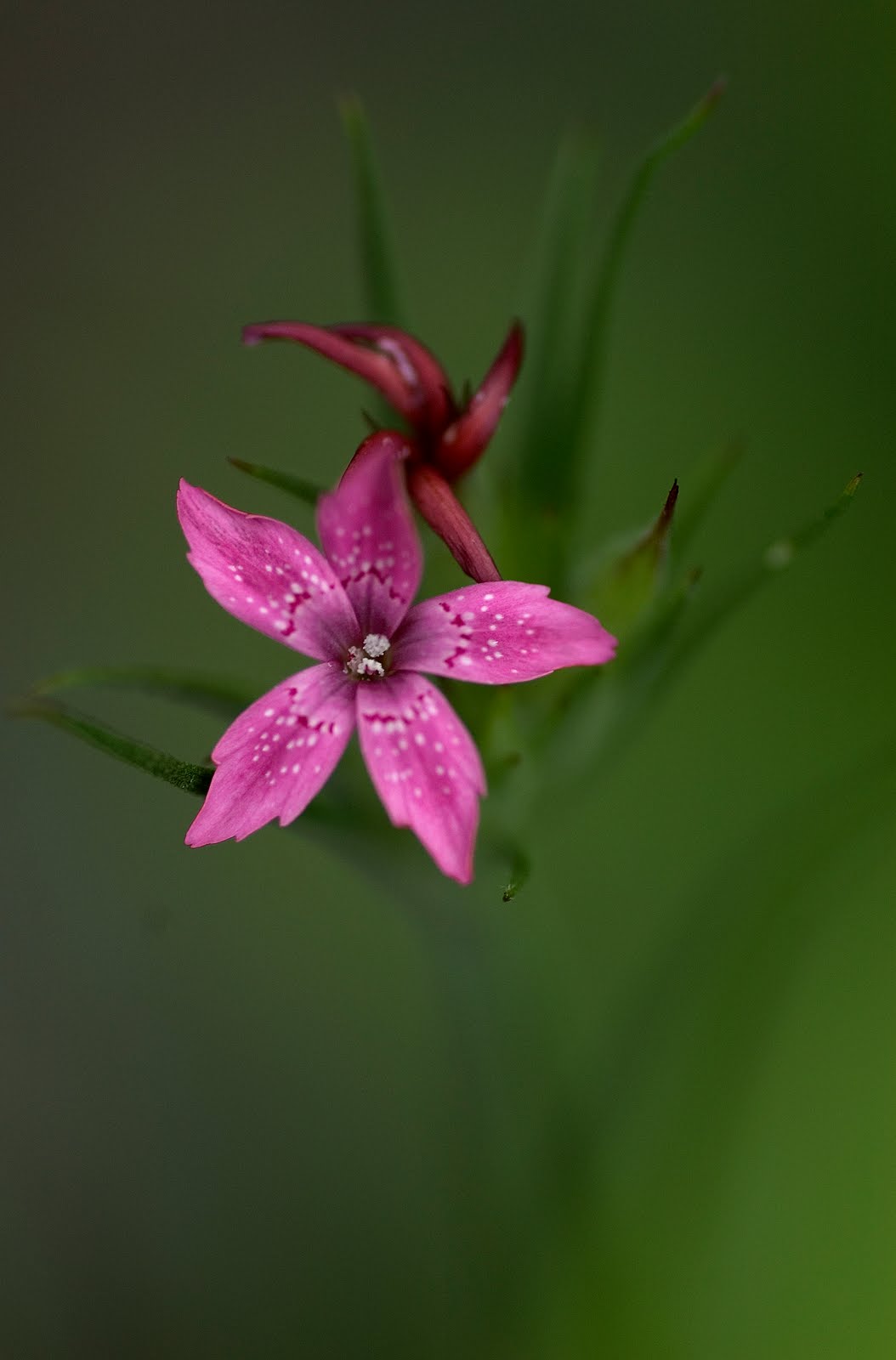
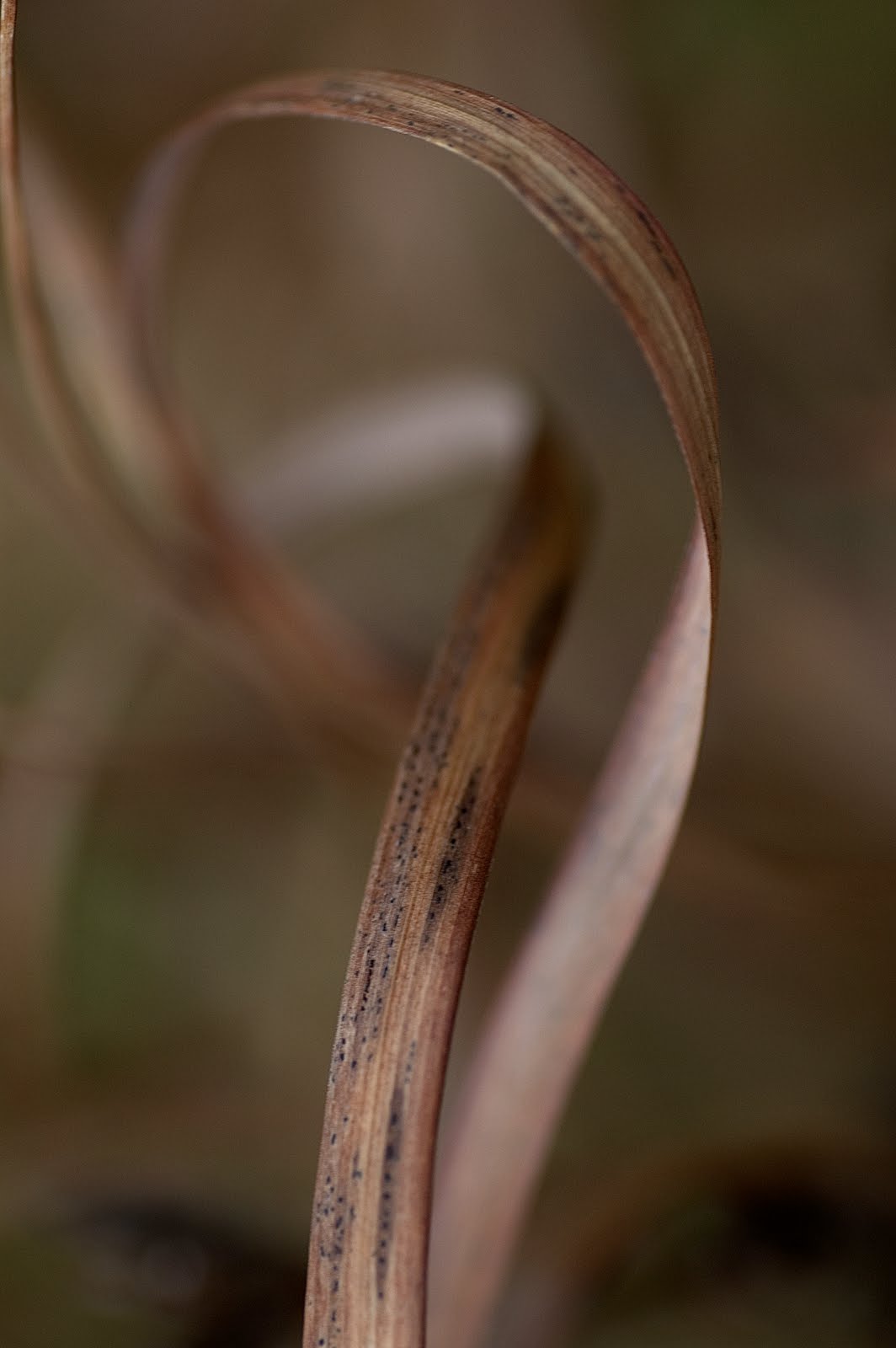
In winter the weeds go without saying, pod by pod, stem by stem, into the ground. Some are pulled rudely into a kind of saying by my and my camera's eye. There is a transaction, an exchange, a conversation even; one could anthropomorphize it, and try to apply the lesson to the inscrutable and exasperating dynamics of that activity called "prayer." But, by and large -- how do I know this ? -- the weeds prefer silence. Just as the weedily anthropomorphized Ground of Being may also prefer silence.


Anonymity, solitude and silence -- I have come to understand that the whole project and ground of organized religion is based on states that are antithetical to these three most congenial ones: personal relationship, community, speech and text. Christianity, in particular, traffics in symbols, analogies and metaphors that are, like it's central Incarnate Word, human, and, moreover, human-in-relationship, -in-community, -in-history, -in-society.


To be alienated from these is to be alienated from God, which is, by definition, sin.

Outer darkness.


Maybe Christianity is not the best arena in which to work out one's neuralgic relationship with the great that there is something rather than nothing.

Christianity looks back, contemptuous, and says:

Who the hell knows. You're wasting your time and mine. Here are some pretty stories about it. Try to ignore the sexist and imperial language. Now go out and love your neighbor as yourself.


Oh, and by the way, don't forget that extra ecclesiam nulla salus.

Monday, December 26, 2011

sologolos


The wave,
poised like a writer's cramp,
overhangs a pismiry rogation
of pilgrims on a green bridge. Look --
a parasol or two, a red chop,
something like Golgotha or Fuji smoking
on a jaded horizon. Their song, halfway
between a boatman's yo and ho,
part miserere nobis, part deo gratias,
hovers on the wind.

Providence, brethren,
is slippery. The stuck hand
drips something like sweat or musk
and the boards, steeped in it,
glaze and slicken above a fathomless
and auricular forebog
the color of phantoms and quicksand.
Sentence, reprieve; datum, deodatus;
figure, ground --
if you remember anything from this sermon,
let it be the hard and practiced pew
knuckling you and your backbone awake.

12.26.11

Saturday, December 17, 2011

Nightshades


No Help Available For This

Yesterday morning I glanced at the printer in our little office. I had not been printing, nor was I intending to print. But there was unaccustomed text in the little window:

No help available for this.


There it was, sudden & unbidden, the answer to the relentless, unyielding, inchoate question of my spiritual life. No help available. For this. For the overwhelming, de profundis clamavi of a lifetime. No help. Sorry. No, not even sorry, simply no help available. You're on your own, honey. This is the first and last you'll hear from me. Now get on with it.


I pressed reset and the machine reverted to its usual business like demeanor. It had been a quintessential deus ex machina moment, or perhaps the first symptom of late-onset schizophrenia. It put me in mind of that famous utterance of Thomas Merton's, made hours before his death, about standing on one's own feet: it's what one does when faced with the inadequacy of institutional structures, in his case the monastery.


But no help available for this is a deliciously dismal little statement that goes way beyond Merton's advice. Merton may have been exasperated at institutional Trappist life, but, still, had not lost his faith in ultimate and specific help for this.


We are in the depths of Advent, the season of darkness, lack, longing, waiting, expectation. The season of wild-eyed prophets and end-times scenarios. If I could have my way with the liturgical year, we would go straight from Advent into Lent then back to Advent. I realize this puts me more than somewhat outside the tradition where I am currently sojourning, likely into the Outer Darkness.


I think the Bible has it wrong about this dark place, specifically with regards to the weeping and the gnashing of teeth it posits therein. I have found it quiet here, and dry, and not without a certain wraithy fellowship.


And if there is no help available


there is, at the very least and the very most, This.